

Skip to content
grimstad-jacob-thorson-8mSqIZkIwoE-unsplash

Technology provides users with greater safety and a better quality of life

Cameras from Axis and a software application from Tellu are improving the quality of life for residents of Grimstad Municipality

Older adults and others in need of health care often experience restless nights. Whether it’s the risk of falls or similar accidents, or nights marked by wandering or a feeling of restlessness, this leads to reduced sleep quality and quality of life for a great many people.

The municipality of Grimstad wanted to address this issue. Their goal was to ensure supervision and necessary healthcare when needed, so that residents could live at home as long as possible and feel safe at all hours of the day and night, as well as to reduce disruptions such as unnecessary visits by healthcare personnel.

ima132461-510x340

The solution? Technology.

“Grimstad Municipality has invested heavily in technology within municipal care and wanted to further develop this,”says Atle Werner Arntsen, a welfare technology specialist at Grimstad Municipality.

He has previous experience with the use of technological health services, both in the form of traditional sensors and, now, camera technology. One of the challenges has been ensuring that the sensors trigger an alert only when there is a genuine need for medical assistance, to avoid unnecessary emergency responses. With the help of camera technology, the situation can be verified more quickly, resulting in a more resource-efficient use of time for healthcare personnel and a better user experience.

The skepticism disappeared

The primary focus was first and foremost on older adults, people with disabilities, those with dementia, those prone to falls, or those who generally feel unsafe and need the municipality’s health and care services. Grimstad Municipality’s main challenges were: Patients perceived the use of cameras as an invasion of privacy; care staff were concerned that the technology would take over their monitoring of patients; and both staff and patients felt uneasy about using the technology.

“At first, we were met with skepticism from both staff and patients because they feared the camera system would infringe on their privacy. That’s why it was important for us to show that no patients were monitored all day long, and that the service is only used when triggered by a sensor-activated alarm, or at specific times for scheduled check-ins,says Atle Werner Arntsen.

tellu-quoteAs they gradually discovered the benefits—such as being able to live at home longer and enjoying a better quality of life—their skepticism diminished considerably

Atle Werner ArntsenWelfare Technologist in Grimstad Municipality

“Compared to someone physically entering your home in the middle of the night, the question is, of course, which feels more intrusive,” says Tanja Fredensborg, program coordinator for Grimstad Municipality.

Reliable, Intelligent, and Comprehensive Healthcare

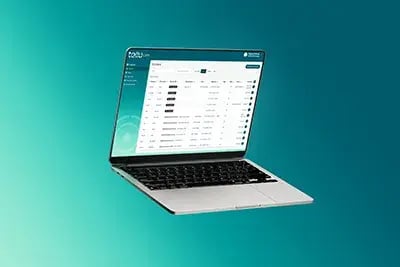
The first step in the process was to obtain consent from the patients, which is a very important part of the municipality’s patient care. The municipality then installed AXIS network cameras, as well as the Digital Monitoring service from Tellu, in the service recipients’ homes and in residents’ rooms in municipal housing. The digital camera-based monitoring is carried out either by the municipality’s locally employed healthcare staff or by operators at a regional response center that also handles the municipality’s emergency alarm calls—often in combination.

All parties involved received thorough training, as well as a demonstration of how the service works in practice. Clear procedures for using the service were also established to ensure there would be no ambiguity regarding its purpose, practical application, or the protection of users’ privacy.

Long-term and Responsive Collaboration

Trust has been one of the key factors in this close collaboration.“This is a prime example of truly excellent collaboration between the municipality, Tellu, and Axis,” says Atle Werner Arntsen. “Tellu’s staff are very accessible, competent, and responsive. We’ve really appreciated the close dialogue and unique rapport, and the fact that we’ve been able to call at three in the morning and get help.”

tellu-quoteIt has been an incredibly exciting and successful collaboration in which we, together with our client and their challenges, have developed an innovative solution with excellent functionality.

Caroline CappelenProduct Manager at Tellu

The next step was to implement Tellu’s Digital Monitoring system in several of the municipality’s assisted living facilities. Now, local healthcare staff could monitor multiple patients in several different rooms simultaneously, with exceptionally high audio and video quality, even in rooms with very low light levels. As a result, healthcare staff no longer needed to physically enter the residents’ rooms, thereby avoiding unnecessary disruption to their sleep.

“We often refer to ‘the corridor problem,’”says Caroline Cappelen.“If you’re alone on the night shift, responsible for many patients, and have to make regular rounds in each of these patient rooms throughout your shift, you have no way of knowing what’s happening behind the door the moment you step out of the room. Furthermore, there’s a high probability that you’ll wake the patient when you move around inside the room. This, in turn, might cause her to wander and wake her neighbor. In this way, the situation escalates without you really having the means to stay one step ahead.”

Thanks to this technology, there has been an improvement in the quality of the healthcare provided, as well as an enhanced quality of life and sleep for the users. At the same time, it also yields a socioeconomic benefit resulting from reduced costs due to a decreased need for nursing home beds.

“For the patient, this has created a sense of control by allowing them to live in their own home, and it gives their loved ones peace of mind, in addition to ensuring patient safety. These technological solutions give us a unique opportunity to adapt to each individual patient’s needs, with the patient at the center,says Tanja Fredenborg.

tellu-quoteIn the years ahead, residents' expectations regarding the municipality's use of assistive technology will only increase

Tanja FredensborgSubject Coordinator for Grimstad Municipality

As a result, the municipality has seen a drastic decline in the number of false alarms and fewer emergency responses, which has eased the pressure on home care services. Furthermore, the solution has led to significant environmental benefits, as the need for nighttime dispatches has been considerably reduced. Staff at residential care facilities and nursing homes are experiencing greater flexibility and a less stressful workday, in addition to being able to plan their time more effectively.

If you’d like to read more about this project, you can do so on Axis’ website here.